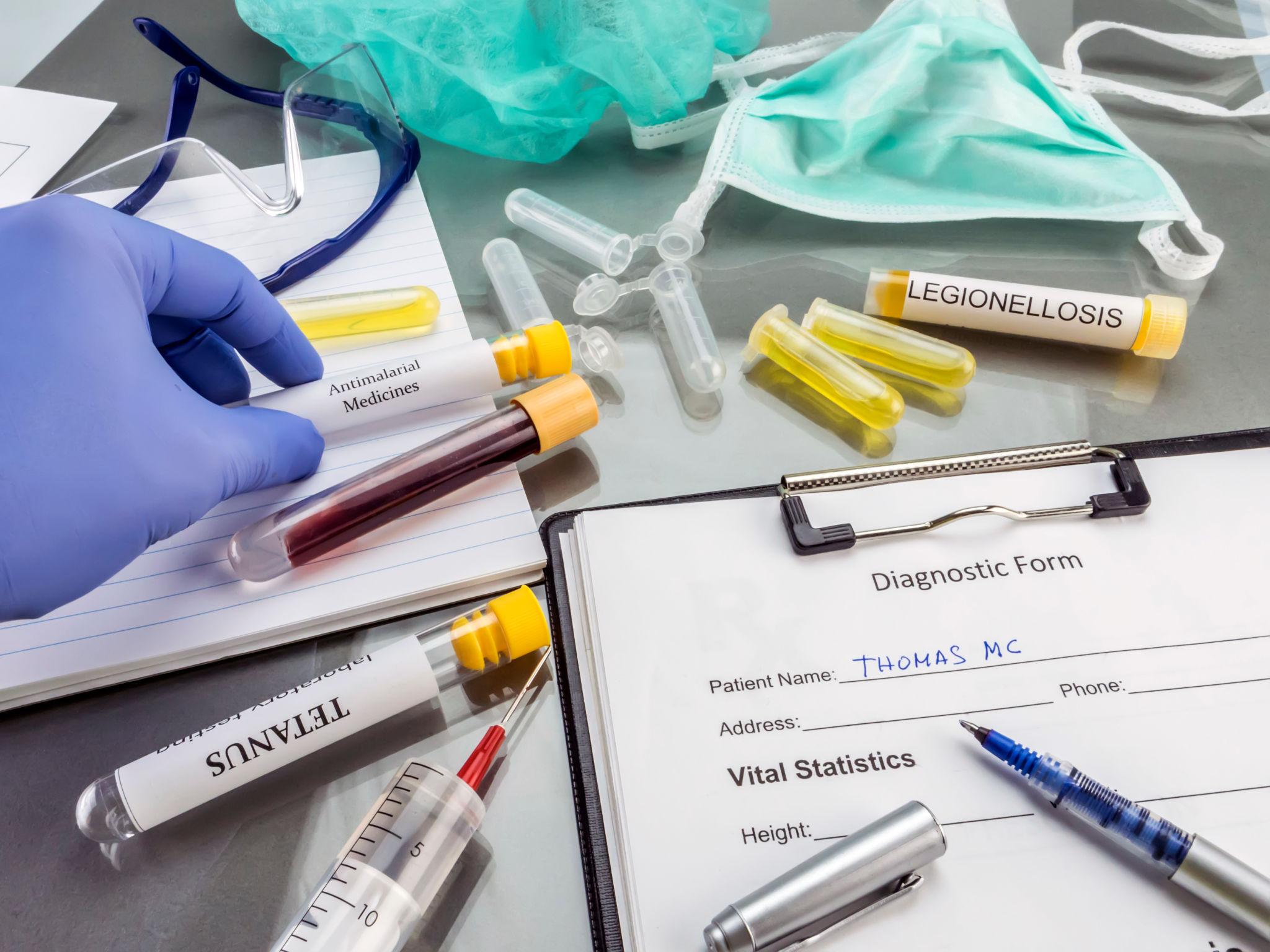
Despite significant advances in HIV treatment, opportunistic infections remain a major cause of hospital admissions among individuals with advanced HIV disease. These infections often present diagnostic and therapeutic challenges, making specialized clinical knowledge essential for healthcare professionals working in hospital environments.
Opportunistic infections occur when weakened immune systems are unable to effectively combat pathogens that would not typically cause severe illness in healthy individuals. Common examples include tuberculosis, cryptococcal meningitis, Pneumocystis pneumonia, cytomegalovirus disease, and toxoplasmosis. Early recognition and prompt intervention are crucial to improving patient outcomes.
Healthcare professionals must develop the ability to identify subtle clinical signs, interpret diagnostic investigations accurately, and initiate appropriate treatment without unnecessary delays. In many cases, managing opportunistic infections requires balancing antimicrobial therapy with antiretroviral treatment while monitoring for drug interactions, adverse effects, and immune reconstitution inflammatory syndrome.
Hospital-based clinicians also play a vital role in multidisciplinary care. Effective management often involves collaboration among infectious disease specialists, pharmacists, nurses, laboratory teams, and critical care providers. Strong communication and coordinated care plans help ensure patients receive comprehensive treatment throughout their hospitalization.
Education and specialized training can significantly improve clinicians’ preparedness to manage these complex cases. By strengthening their understanding of HIV-associated opportunistic infections, healthcare professionals can make informed decisions, reduce complications, and provide life-saving interventions when patients need them most.
Ultimately, improving knowledge in this area not only benefits individual patients but also strengthens healthcare systems’ capacity to respond effectively to advanced HIV disease.